Source eco friendly evil eye keychain for Gifts, Decor, Promotions
Compare 30 eco friendly evil eye keychain options from suppliers in China. These metal keychains feature custom logos, various colors, and are suitable for business gifts, holiday promotions, and home decoration.
Key considerations
Products List
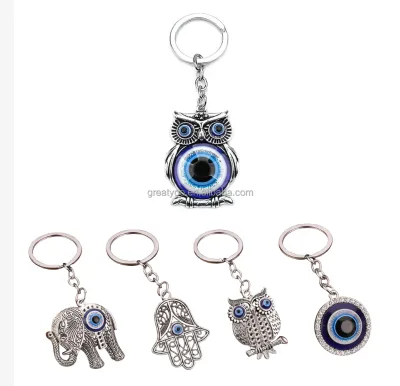


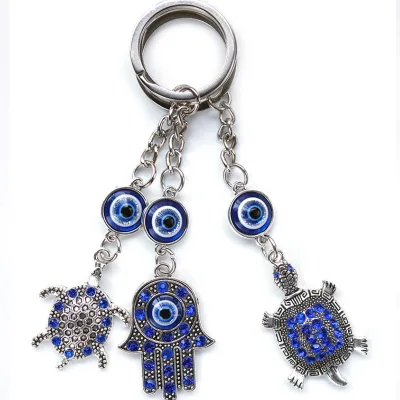


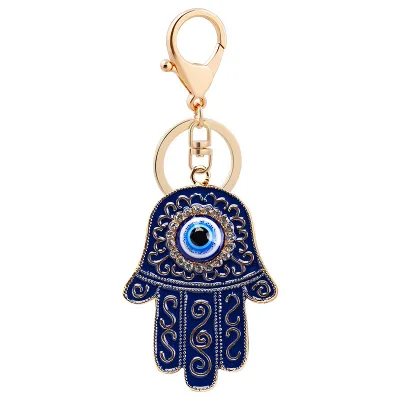
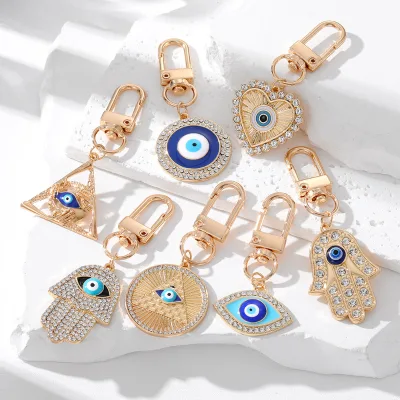

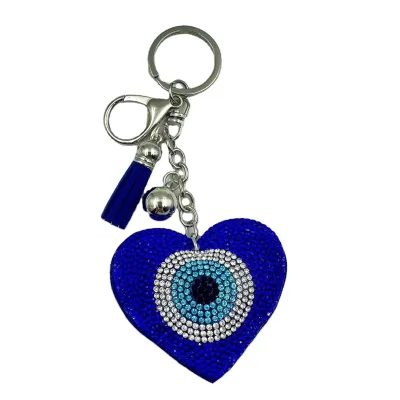
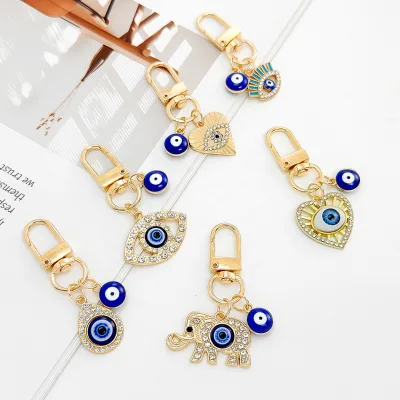


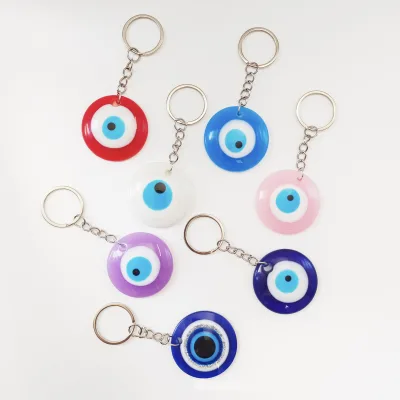
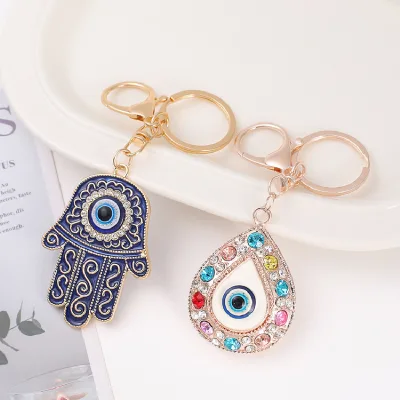
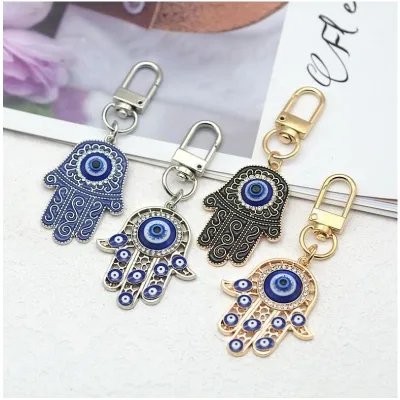

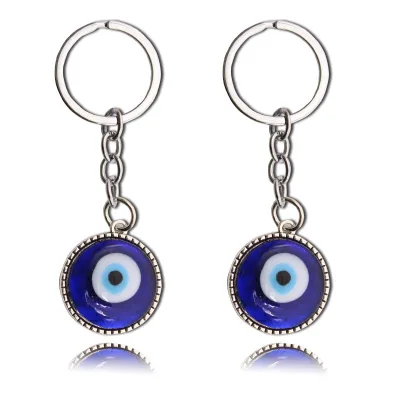
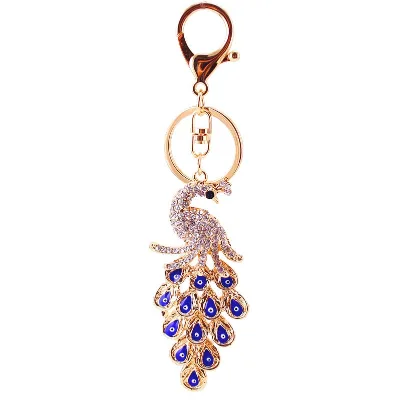
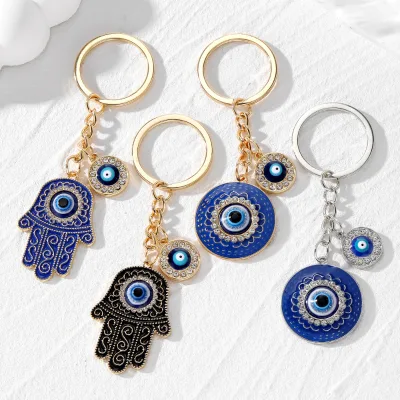
Comprehensive Sourcing Guide
Strategic Sourcing Guide for Eco-Friendly Evil Eye Keychains
Understanding Product Specifications and Material Composition
When sourcing eco-friendly evil eye keychains, the first step is to rigorously define the technical specifications that align with your brand's identity and sustainability goals. The core product category is the keychain, often designed with a specific "evil eye" motif intended to offer protection or serve as a decorative accessory. Based on observed market data, these items are predominantly manufactured from metal, with Zinc Alloy being a frequently cited material type. This choice of material offers durability and a premium feel, essential for promotional gifts and business souvenirs.
The physical dimensions of these keychains vary significantly depending on the specific design and manufacturer capabilities. Buyers should expect to encounter standard sizes such as 6.5 by 3.5 centimeters or 4.5 by 5 centimeters, though custom sizing is a common offering in this sector. The single package size for individual units typically measures around 10 by 10 by 5 centimeters, which is a critical factor for calculating shipping volumes and warehousing costs. Furthermore, the gross weight of a single package is often recorded around 1.000 kg, indicating that the packaging may include substantial protective materials or that the weight figure represents a bulk unit rather than a single piece.
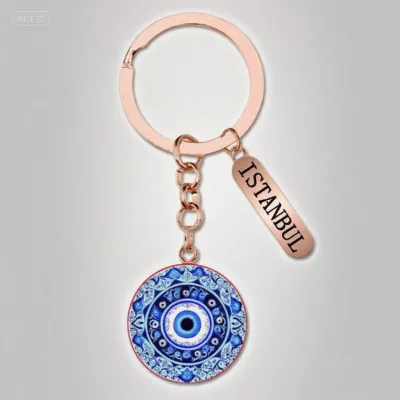
The aesthetic finish is another vital specification. The "evil eye" designs are frequently described as having a "painted" or "hand-painted" surface treatment. This technique allows for intricate detailing, such as the specific blue eye patterns often associated with the motif. However, some variations may utilize machine printing or UV printing to achieve similar visual effects. The color palette is generally versatile, with options ranging from single-color finishes to multi-color schemes involving up to eight distinct hues. The style of the product can range from "cute" and "love" themes to "antique" or "retro" finishes, allowing buyers to tailor the product to specific target demographics, whether for holiday gifts, home decoration, or art collections.
Compliance, Certification, and Sustainability Verification
The term "eco-friendly" in the context of metal keychains requires careful verification, as it is not a standardized legal term without specific backing. In the supply chain, this attribute often refers to the use of recyclable materials, lead-free plating, or environmentally conscious packaging processes. While the provided data lists "Eco-Friendly" as a product feature, buyers must not assume this applies universally to all listed products without direct confirmation from the supplier.
To validate these claims, procurement teams should request documentation regarding the plating and painting processes. The "Surface Treatment" often involves electroplating or painting, and the environmental impact of the chemicals used in these processes is a primary compliance concern. Buyers should verify that the Zinc Alloy used is free from hazardous substances like lead, cadmium, or nickel, which are common allergens and environmental hazards. Additionally, the "Hand-Made" or "Hand-Painted" processes mentioned in some listings suggest a lower degree of industrial chemical automation, which some buyers perceive as more sustainable, though this is not a guarantee of eco-compliance.
Packaging is another critical area for sustainability assessment. The data indicates that packaging can range from "1PC/OPP Bag" to "12PCS/Box, 288PCS/Carton." Polypropylene (OPP) bags are single-use plastics that may not align with strict eco-friendly mandates. Buyers seeking truly sustainable supply chains should inquire about the availability of biodegradable packaging, recycled cardboard boxes, or plastic-free options. Furthermore, the "Customization" of the logo and the "One Stop-Souvenir Supplier" service model often implies a high degree of flexibility, but buyers must ensure that the customization process itself does not introduce unnecessary waste or non-compliant materials.
Cost Drivers and Pricing Dynamics
The pricing of eco-friendly evil eye keychains is influenced by a complex interplay of material costs, labor intensity, and order volume. The observed price range in the market spans from $0.24 to $2.04 USD per unit. This wide variance is primarily driven by the level of customization, the complexity of the painting process, and the quantity ordered.
The Minimum Order Quantity (MOQ) is a significant cost driver. Data indicates an MOQ range from as low as 5 units to as high as 1440 pieces. Suppliers with lower MOQs often charge a premium per unit to cover the setup costs of small production runs. Conversely, larger orders, such as those meeting the 1440-piece threshold, typically benefit from economies of scale, bringing the unit cost closer to the lower end of the observed range. The "Selling Units" are often listed as "Single item," which can be misleading; buyers must clarify if the price quoted is for a single unit or a bulk batch.
Labor costs also play a substantial role, particularly for products described as "Hand-Painted" or "Hand-Made." These processes require skilled artisans and more time per unit compared to fully automated machine printing. Consequently, keychains with intricate hand-painted details or antique finishes will generally command a higher price point. The "Sample Leadtime" of 7-10 days suggests that the production cycle involves a significant manual component, which can impact the overall cost structure if rush orders are required. Buyers should also consider the "Single gross weight" of 1.000 kg per package when calculating freight costs, as heavier packaging increases shipping expenses, especially for international orders.
Typical Applications and Market Segmentation
The versatility of the evil eye keychain makes it suitable for a diverse range of applications. The "Usage" attributes highlight several key markets: promotion gifts, holiday gifts, business gifts, art and collection, and home decoration. The "Suitable for" designation as "Universal" and "Outdoor" further expands the potential use cases, suggesting these items can be used as car accessories, bag charms, or outdoor gear identifiers.
In the promotional sector, these keychains serve as effective brand ambassadors. The ability to add a custom logo ("Logo: Custom" or "Can Add Your Logo") allows companies to distribute branded merchandise at trade shows, corporate events, or as client appreciation gifts. The "Love" and "Cute" styles are particularly popular for holiday promotions, such as Valentine's Day or Christmas, where emotional connection drives purchasing decisions.
For the retail and art markets, the "Antique" and "Sculpture" styles appeal to collectors and interior designers. The "Evil Eye" motif has cultural significance in many regions, making these keychains popular souvenirs for tourists. The "One Stop-Souvenir Supplier" service model indicates that these products are often sourced by businesses specializing in travel retail or gift shops. The "Bottle Opener" usage mentioned in some listings suggests a functional variation of the keychain, adding utility to the decorative aspect.
Supplier Evaluation and Selection Criteria
Selecting the right supplier requires a multi-faceted evaluation process that goes beyond price comparison. Buyers should prioritize suppliers who demonstrate transparency in their manufacturing processes and material sourcing. The "Place of Origin" data points to regions like Shandong and Fujian in China, which are known hubs for metal craftsmanship and souvenir production. However, buyers must verify the specific factory location, as "Quanzhou, Fujian" and "Shandong, China" represent different logistical zones with varying lead times and cost structures.
Key evaluation criteria include the supplier's ability to handle customization. The "Customization: Available" attribute is common, but the extent of customization—such as the ability to modify the "prod_standard" to custom sizes or specific color palettes—varies. Buyers should assess the supplier's "Sample Leadtime" of 7-10 days to ensure it aligns with their project timeline. Additionally, the "Service" description of "One Stop-Souvenir Supplier" implies a comprehensive service offering, but buyers should confirm the scope of this service, including design support, quality control, and logistics management.
The "MOQ" of 1440 pieces for certain models suggests that some suppliers cater to large-scale corporate orders, while others with lower MOQs may be better suited for small businesses or startups. Buyers should also check the "Process" details, such as whether the product is "Hand-Painted" or "Machine Printed," as this affects the consistency and quality of the final product. A supplier offering both options provides greater flexibility in balancing cost and quality.
Quality Control and Long-Term Procurement Considerations
Maintaining consistent quality is paramount when sourcing metal keychains with painted finishes. The "Surface Treatment" and "Technique" (Painted) are prone to wear and tear, especially if the keychains are used outdoors or handled frequently. Buyers should implement a rigorous quality control protocol that includes checking for paint adhesion, color consistency, and the integrity of the metal plating. The "Hand-Painted" nature of some products introduces variability, so a sampling plan that accounts for this natural variation is essential.
Long-term procurement considerations involve building a sustainable relationship with suppliers who can scale production without compromising quality. The "Custom size" capability indicates that suppliers can adapt to changing market trends, but buyers should ensure that the supplier has the capacity to handle increased volumes if the product becomes a bestseller. The "Sample Leadtime" of 7-10 days is a baseline; for large orders, lead times may extend, and buyers should negotiate realistic delivery schedules.
Furthermore, buyers should consider the environmental impact of the entire supply chain. While the product is labeled "Eco-Friendly," the actual sustainability depends on the supplier's practices regarding waste management, energy usage, and material sourcing. Regular audits and clear communication regarding sustainability goals can help ensure that the supply chain remains aligned with the buyer's corporate social responsibility (CSR) objectives. Finally, maintaining a buffer stock of key components or finished goods can mitigate risks associated with supply chain disruptions, ensuring a steady flow of products for promotional and retail needs.
Summary of Key Technical and Commercial Parameters
| Parameter | Observed Range / Common Value | Notes for Verification |
|---|---|---|
| Material | Zinc Alloy | Verify plating safety (lead-free). |
| Dimensions | 4.5x5cm to 6.5x3.5cm | Custom sizes available; verify exact specs. |
| Price Range | $0.24 - $2.04 USD | Depends on MOQ and customization level. |
| MOQ | 5 - 1440 PCS | Lower MOQs often have higher unit costs. |
| Lead Time | 7-10 days (Sample) | Confirm bulk lead times separately. |
| Surface Finish | Painted, Hand-Painted, Plated | Check for durability and color fastness. |
| Packaging | 1PC/OPP to 288PCS/Carton | Assess eco-friendliness of packaging materials. |
| Origin | Shandong, Fujian (China) | Verify specific factory location for logistics. |
By adhering to these guidelines and maintaining a disciplined approach to verification, buyers can successfully source high-quality, eco-friendly evil eye keychains that meet both commercial and ethical standards.
FAQs
What material is used for eco friendly evil eye keychains?
These keychains are primarily made from Zinc Alloy metal. The product listing confirms this material type, which offers durability and a premium feel suitable for promotional gifts and business souvenirs.
How much does an eco friendly evil eye keychain cost?
The observed price range spans from 0.24 to 2.04 USD per unit. This variance depends on the order volume and the level of customization, with lower minimum order quantities often commanding higher unit costs.
Can I customize the logo on these keychains?
Yes, logo customization is available for these products. Buyers can add their own branding, and the supplier offers a one-stop souvenir service that supports various customization needs for promotional or business use.
What is the minimum order quantity for these keychains?
The minimum order quantity ranges from 5 to 1440 pieces depending on the supplier and specific model. Lower MOQs allow for smaller test orders, while larger orders like 1440 pieces may reduce the unit price.
How long does it take to receive a sample?
The sample lead time is typically 7 to 10 days. This timeframe accounts for the hand-painted or machine printing processes used to create the specific blue eye or animal shapes associated with the design.
Which surface treatments are applied to these keychains?
Common surface treatments include painting, electroplating, and hand-painting techniques. The products often feature a painted finish to achieve the specific evil eye motif, with some variations using UV or silk screen printing.